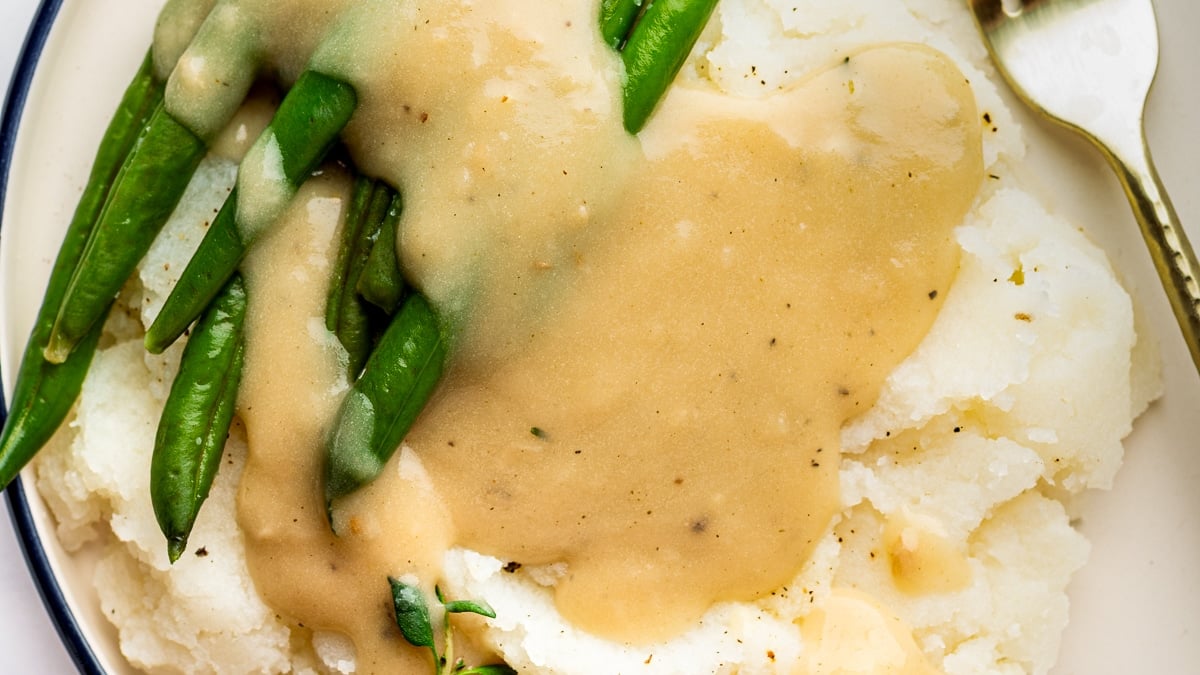
Easy Homemade Gravy: Your Secret to Culinary Delight
Gravy. Just the word conjures images of comforting Sunday roasts, fluffy mashed potatoes, and warm, buttery biscuits. It’s the unsung hero that elevates a simple meal into an unforgettable feast. But many shy away from making it from scratch, fearing complexity or believing it's only possible with pan drippings. We're here to bust that myth! This comprehensive guide will show you how to master an incredibly easy homemade gravy recipe, delivering rich, savory goodness whether you have pan drippings or not. Prepare to transform your meals with this liquid gold.
Why Homemade Gravy is a Game-Changer
Forget the packets and jars. A homemade gravy recipe offers a depth of flavor and a silky-smooth texture that store-bought alternatives simply can't match. It’s a testament to simple ingredients coming together to create something truly extraordinary.
*
Unmatched Flavor: When you make gravy from scratch, you control the quality and balance of ingredients, allowing for a far richer, more complex taste profile.
*
Pantry Staples: You'll be surprised how many of the core ingredients are likely already in your kitchen – flour, butter, and common seasonings form the base of this magical sauce.
*
Versatility: This isn't just for Thanksgiving turkey. A good gravy recipe is perfect for chicken, beef, pork, vegetables, and even as a hearty addition to breakfast staples like country-fried steak and biscuits.
*
Ease of Preparation: Despite its gourmet reputation, making gravy is surprisingly straightforward and quick, especially with our foolproof method.
The secret to a truly exceptional gravy lies not in its difficulty, but in understanding a few key components and techniques. And don't worry – we'll reveal how to achieve that deep, umami-rich flavor even when your roasting pan is clean.
The Essential Ingredients for Your Perfect Gravy Recipe
Every great gravy starts with a careful selection of ingredients. We'll outline everything you need, highlighting how to adapt for different scenarios.
The Liquid Base: Drippings or Stock?
This is where the "with or without pan drippings" comes into play.
*
Pan Drippings: These are the flavorful juices, fat, and browned bits left at the bottom of a roasting pan after cooking meat like chicken, turkey, or a beef roast. They are gold! If you have them, collect them carefully. A fat separator can be incredibly useful here to remove excess fat, leaving you with pure, concentrated flavor. Aim for about ½ to 1 cup of pure drippings, then supplement with stock to reach your desired total liquid volume (typically around 2½ cups for a standard recipe).
*
High-Quality Stock: No drippings? No problem! Your best friend here is a good quality chicken, beef, or vegetable stock. Opt for low-sodium varieties so you can control the seasoning yourself. This forms the backbone of your gravy, providing the savory depth.
The Umami Boosters: Your Flavor Secret Weapon
To achieve that rich, "from-scratch" taste, even without drippings, these pantry staples are crucial. They add a layer of complexity that elevates your gravy from good to phenomenal.
*
Worcestershire Sauce: A few dashes add a tangy, savory, and slightly sweet depth.
*
Soy Sauce: Don't be afraid! Just a teaspoon or two of soy sauce contributes incredible umami and rounds out the flavor profile without making your gravy taste Asian.
*
Bouillon Cube/Granules: Depending on your gravy's focus (chicken, beef), a half or whole bouillon cube (dissolved in a small amount of hot water) can intensify the base flavor.
For a deeper dive into unlocking these savory secrets, read our companion article:
Elevate Your Gravy: Umami & Herb Secrets Revealed.
The Thickener: Crafting the Perfect Roux
The roux is the magical combination of fat and flour that not only thickens your gravy but also adds a nutty flavor.
*
Butter: Unsalted butter is preferred to control salt levels. It forms the base of your roux.
*
All-Purpose Flour: This is whisked into the melted butter to create the thickening agent. The ratio is key to a smooth, lump-free gravy.
*
Dripping Fat (Optional): If you have pan drippings with a layer of fat, you can substitute some of the butter with this flavorful fat for an even richer roux.
Seasonings and Herbs: The Finishing Touches
These pantry heroes provide aromatic depth and balance.
*
Garlic Powder & Onion Powder: Essential for foundational savory notes.
*
Kosher Salt & White Pepper: Salt is crucial for flavor balance. White pepper is often preferred over black pepper in gravy not just for its milder, more nuanced flavor, but also because it keeps the gravy looking pristine without tiny black flecks. If you don't have white, black pepper works just fine!
*
Cayenne Pepper (Optional): A tiny pinch can add a subtle warmth without making the gravy spicy.
*
Bouquet Garni (Optional, but highly recommended): For an extra layer of gourmet flavor, especially when making gravy without drippings, tie together fresh sprigs of sage, thyme, and rosemary with kitchen twine. Let this "bouquet" simmer in your gravy, infusing it with fresh, herbaceous notes. Remove before serving.
The "Spark": A Touch of Cream (or Butter)
A final touch can make all the difference:
*
Heavy Cream: Adding a tablespoon of heavy cream right at the end, particularly for poultry gravies, won't make it creamy but will add a delightful "spark" that brightens the flavors and gives it a luxurious mouthfeel. Feel free to omit for a classic brown beef gravy.
*
Butter: Some prefer a pat of butter swirled in at the end for added sheen and richness.
Crafting Your Easy Homemade Gravy: Step-by-Step
Now, let's put it all together to create that irresistible gravy.
Step 1: Prepare Your Liquid Base
1.
With Pan Drippings: Carefully pour your pan drippings into a fat separator or a measuring cup. Allow the fat to rise to the top. Skim off as much fat as you need for your roux (usually 2-3 tablespoons), then discard any remaining excess fat. Measure the liquid drippings.
2.
Without Pan Drippings: Simply measure out your desired amount of high-quality stock. This is where your umami boosters truly shine.
3.
Combine & Boost: In a large measuring cup or bowl, combine your drippings (if using) and/or stock until you have about 2½ cups of liquid. Whisk in a few dashes of Worcestershire sauce, a teaspoon of soy sauce, and your dissolved bouillon cube (if using). If you're starting from scratch, you'll find comprehensive guidance in
Whip Up Delicious Gravy: No Drippings? No Problem!.
Step 2: Make the Roux
1. In a medium saucepan or skillet over medium heat, melt 2-3 tablespoons of butter (or reserved fat from drippings).
2. Once melted and slightly sizzling, gradually whisk in 2-3 tablespoons of all-purpose flour. Continue whisking constantly for 1-2 minutes until the mixture forms a smooth paste (the roux) and begins to smell slightly nutty. For a lighter gravy, cook the roux for a shorter time; for a darker, richer brown gravy, cook it a bit longer until it deepens in color.
Step 3: Gradually Add Liquid and Thicken
1. Slowly, in a thin stream, whisk about ½ cup of your prepared liquid base into the hot roux. Keep whisking vigorously to prevent lumps. The mixture will become very thick.
2. Continue gradually adding the remaining liquid, whisking continuously, until all the liquid is incorporated and the gravy is smooth.
3. Bring the gravy to a gentle simmer over medium-low heat, stirring occasionally. As it simmers, it will begin to thicken. This usually takes about 5-7 minutes.
Step 4: Season and Finish
1. Once the gravy has reached your desired consistency, reduce the heat to low.
2. Add your seasonings: garlic powder, onion powder, kosher salt, white pepper, and a pinch of cayenne (if using). Taste and adjust seasonings as needed. Remember, flavors can intensify as it simmers, so start conservatively.
3. If using a bouquet garni, add it now and let it simmer for a few minutes to infuse its fresh herb flavors, then remove it before serving.
4. For poultry gravies, stir in a tablespoon of heavy cream right at the end for that perfect "spark." If preferred, swirl in a pat of butter for extra richness and shine.
5. Serve immediately!
Tips for Gravy Perfection
*
Lump-Free Gravy: The key to a smooth gravy is to add cold or room-temperature liquid to a hot roux, or hot liquid to a cold roux, while whisking constantly. Adding hot liquid to a hot roux can sometimes cause lumps.
*
Adjusting Consistency: If your gravy is too thick, whisk in a little more hot stock or water until it reaches your desired consistency. If it’s too thin, you can either simmer it longer to reduce, or make a very small slurry of flour (1 tsp flour mixed with 1 tsp cold water) and whisk it in, bringing it to a simmer to thicken.
*
Storing Leftovers: Leftover gravy can be stored in an airtight container in the refrigerator for up to 3-4 days. To reheat, gently warm on the stovetop over low heat, whisking constantly, adding a splash of stock or water if it's too thick.
Conclusion: The Joy of Homemade Gravy
Mastering an easy homemade gravy recipe is a culinary superpower that will bring immense satisfaction to your kitchen and joy to your dining table. Whether you're working with savory pan drippings or creating magic from humble stock, the principles remain the same: a well-made roux, layers of umami flavor, and careful seasoning. So go ahead, gather your ingredients, and embark on this delicious journey. Your family and friends will thank you for this comforting, flavorful masterpiece that tastes unequivocally like home. Happy cooking!