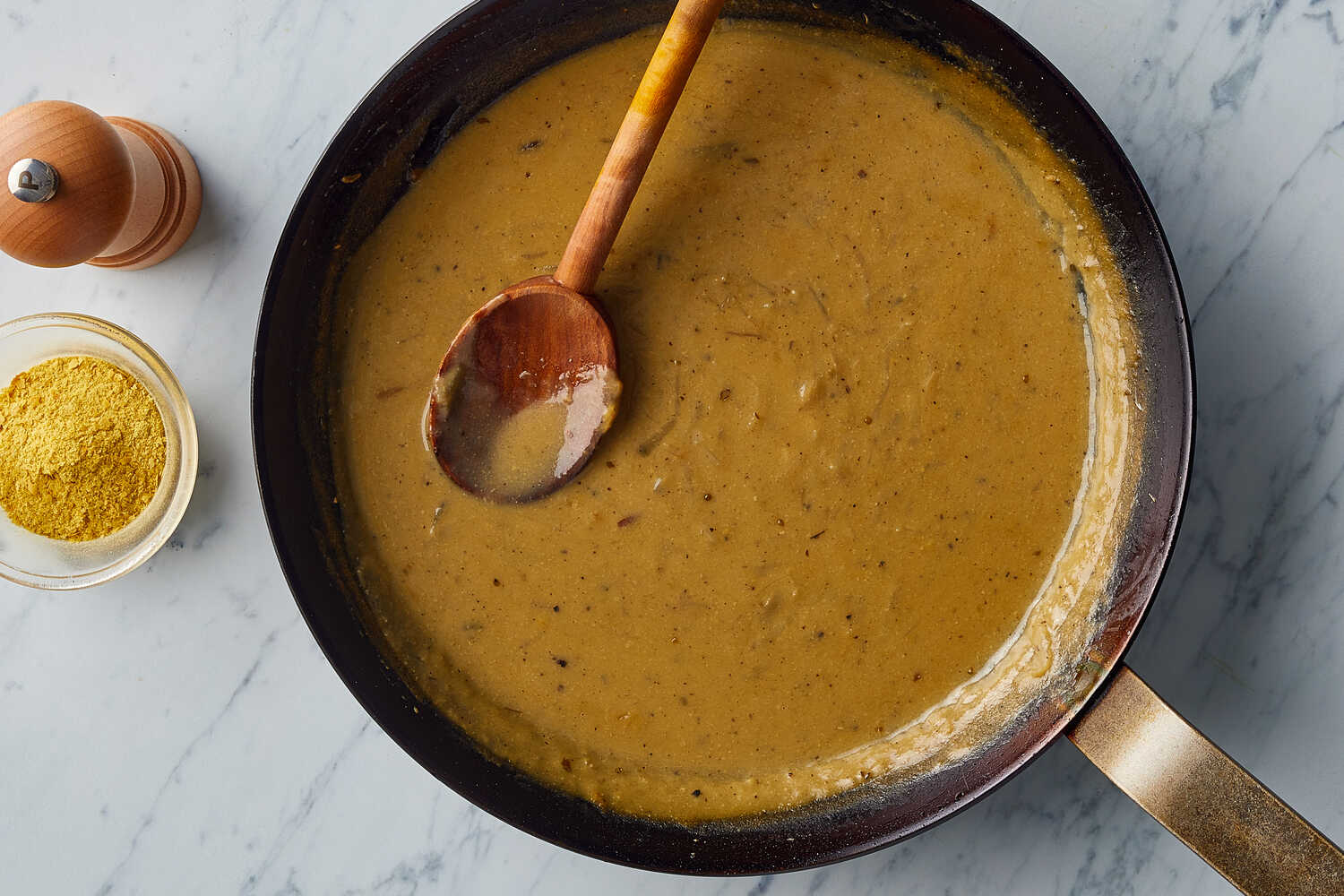
Elevate Your Gravy: Umami & Herb Secrets Revealed
Gravy. The very word conjures images of comfort, warmth, and culinary magic. It's the liquid gold that transforms a simple meal into an extraordinary feast, whether it’s generously poured over a Sunday roast, embraced by fluffy mashed potatoes, or enhancing a stack of homemade biscuits. While many might reach for a pre-made mix, mastering a homemade gravy recipe from scratch is surprisingly easy and incredibly rewarding. The secret to truly outstanding gravy lies not just in the foundational ingredients, but in understanding how to infuse it with profound umami and aromatic herbal notes that make it taste undeniably homemade.
Too often, homemade gravy, even with pan drippings, lacks that deep, complex flavor that leaves a lasting impression. This comprehensive guide will pull back the curtain on those hidden depths, revealing pantry staples and fresh additions that will elevate your gravy from good to unforgettable. Prepare to unlock the full potential of your next gravy creation, with or without those precious pan drippings.
The Foundation of Flavor: Drippings vs. Stock
The traditionalist's choice for gravy perfection begins with pan drippings. These savory juices, collected at the bottom of a roasting pan after cooking a chicken, turkey, or beef roast, are concentrated reservoirs of flavor. They bring a natural richness and a taste profile perfectly matched to your main course. When using drippings, it's wise to separate any excessive fat using a fat separator, or simply skim it off the top, leaving behind the pure, flavorful liquid.
However, the beauty of a truly adaptable gravy recipe is its versatility. What if you don't have pan drippings? Fear not! A rich, flavorful stock is an excellent and equally effective substitute. Whether you opt for chicken, beef, or even vegetable stock, it provides the necessary liquid base and a canvas for building deep flavors. For those days when the roasting pan is clean, remember that a magnificent gravy is still well within reach. To learn more about mastering gravy in any scenario, explore our guide on Easy Homemade Gravy: With or Without Pan Drippings.
Unlocking Umami: The Secret Savory Boosters
Umami, often described as the "fifth taste," is that savory, brothy, deeply satisfying quality that makes food irresistible. It's the key to transforming a bland gravy into a flavor powerhouse. Our secret weapons for achieving this profound depth are simple pantry staples:
- Worcestershire Sauce: This fermented condiment, with its complex blend of vinegar, anchovies, tamarind, and spices, adds an incredible layer of savory tang and depth. It introduces a unique umami profile that complements most meat-based gravies beautifully.
- Soy Sauce: Don't let its association with Asian cuisine fool you – a splash of soy sauce (light or dark) is a game-changer in any brown gravy. Rich in glutamates, it delivers a pure hit of umami, enhancing the overall savory characteristics without imparting a distinct "soy" flavor if used judiciously.
- Bouillon Cubes or Granules: For an extra punch of meaty flavor, especially when relying solely on store-bought stock or when you want to intensify pan drippings, a chicken or beef bouillon cube (or an equivalent amount of granules) dissolved in your liquid base can work wonders. Choose the type that matches your gravy's intended protein.
These ingredients don't just add flavor; they add *complexity*. They layer the savory notes, creating a multi-dimensional taste experience that mimics the slow-cooked richness of traditional gravies. Even if you're starting from scratch without a single drop of pan drippings, these umami boosters ensure your gravy tastes profoundly homemade and incredibly rich. Discover more ways to achieve incredible flavor even when your roasting pan is empty with Whip Up Delicious Gravy: No Drippings? No Problem!
The Art of the Roux: Thickening and Texture
The velvety smooth texture of a perfect gravy is largely thanks to the roux – a mixture of fat and flour cooked together. This is the thickening agent that gives your gravy body and ensures it coats every morsel it touches.
- Choosing Your Fat: Butter is the classic choice for a roux, lending a rich, appealing flavor. However, if you do have pan drippings, you can substitute up to half of the butter with the skimmed fat from your drippings. This further infuses the gravy with the roasted flavors of your main dish.
- The Flour Factor: All-purpose flour is standard. The key is to whisk it thoroughly into the melted fat until a smooth paste forms. The amount of flour relative to the fat is crucial for achieving the right consistency; a good starting point is equal parts fat and flour by weight, or roughly equal volumes (e.g., 2 tablespoons butter to 2 tablespoons flour).
- Cooking the Roux: The duration you cook your roux affects both its thickening power and its flavor. A lightly cooked roux (blonde) will have maximum thickening power and a subtle flavor. A darker roux (brown) will have a nuttier, deeper flavor but slightly less thickening capability. For most gravies, a blonde to light brown roux is ideal, cooked for 1-2 minutes until it smells slightly toasty but hasn't developed too much color. This careful balance ensures your gravy is thick, flavorful, and free from any raw flour taste.
Once your roux is ready, gradually whisk in your chosen liquid (stock or drippings + stock). Continuous whisking is vital to prevent lumps and create that coveted smooth consistency. Bring the mixture to a gentle simmer, and watch as it thickens to perfection.
Aromatic Alchemy: Herbs and Seasonings for a Signature Touch
While umami provides the deep savory backbone, fresh herbs and carefully chosen seasonings add aromatic complexity and a vibrant lift that truly elevates your gravy. This is where your gravy recipe develops its unique personality.
- The Bouquet Garni Secret: This elegant French term simply means a bundle of fresh herbs tied together with kitchen twine. My preferred combination for gravy is fresh sage, thyme, and rosemary sprigs. Adding this bouquet to the gravy as it simmers allows their essential oils and aromatic compounds to infuse the liquid gently. This technique imparts a fresh, sophisticated herbal note that's often missing from gravies made solely with dried seasonings. Just remember to remove the bundle before serving!
- Essential Pantry Seasonings: Beyond fresh herbs, don't underestimate the power of granulated garlic powder, onion powder, a pinch of cayenne pepper (for a subtle warmth, not heat), kosher salt, and white pepper. White pepper is a particular favorite, not only for its slightly more delicate, earthy flavor compared to black pepper but also because it keeps your gravy visually appealing without dark flecks. If you don't have white pepper, black pepper is an acceptable substitute, but the visual difference is notable.
Seasoning is an ongoing process. Taste your gravy as it simmers and adjust salt and pepper as needed. The goal is to balance the richness, umami, and herbal notes for a truly harmonious flavor profile.
The Grand Finale: Finishing Touches for Perfection
Just when you think your gravy couldn't get any better, a few final touches can take it from excellent to absolutely sublime.
- A Hint of Heavy Cream: While many think of cream in the context of creamy gravies, adding just a tablespoon of heavy cream right at the end of simmering, particularly to poultry gravies, won't make it thick or overtly creamy. Instead, it adds a subtle richness, a silky mouthfeel, and a "spark" that makes the flavors truly dance on your tongue. It provides a luxurious finish without altering the fundamental character of a brown gravy. Feel free to omit this for beef-based gravies if you prefer a sharper, more robust flavor profile.
- A Pat of Butter for Shine: For an extra touch of sheen and a final whisper of richness, swirl in a small pat of unsalted butter (about half a tablespoon) just before serving. This emulsifies beautifully into the hot gravy, adding a professional gloss that enhances its visual appeal.
Always perform a final taste test. Does it need more salt? A pinch more pepper? Is the umami prominent enough? These last-minute adjustments are what distinguish a good cook from a great one.
Mastering a homemade gravy recipe is a culinary triumph that will enhance countless meals. By understanding the interplay of rich foundations, powerful umami boosters, aromatic herbs, and thoughtful finishing touches, you can create a gravy that is deeply flavorful, wonderfully textured, and truly unforgettable. Whether it's for Thanksgiving dinner, a cozy weeknight meal, or a hearty Southern breakfast, your gravy will be the star. So go forth, whisk with confidence, and elevate your gravy to new heights!
